
Article: TA.1 Covid Variant: What We Know About the Most Common Strain in the UK (November 2026)
TA.1 Covid Variant: What We Know About the Most Common Strain in the UK (November 2026)
Updated 10 November 2026. A new Omicron descendant called TA.1 is now the most common COVID-19 lineage in England. Here's what the latest UK Health Security Agency (UKHSA) data shows, which symptoms to look out for, and whether home lateral flow tests can still pick it up.
What is the TA.1 variant?
TA.1 is a descendant of XFG, the "Stratus" variant that spread widely through 2025 and much of 2026. Like XFG, it belongs to the wider Omicron family. Reports suggest TA.1 was first detected in June 2026 and spread across Europe and North America over the summer, before rising in the UK this autumn.
How common is TA.1 in the UK?
In UKHSA's national flu and COVID-19 surveillance report published on 5 November 2026, TA.1 accounted for 30.2% of sequenced COVID-19 cases in England between 28 September and 11 October 2026, the largest share of any lineage. Its parent, XFG, made up 13.2%, followed by JN.1 at 12.2%.
UKHSA notes that sequencing numbers are low, so these figures should be treated with some caution.
Is COVID-19 rising in the UK right now?
Not at the moment. After an increase in early autumn, UKHSA reports that COVID-19 activity decreased in the week to 1 November and is circulating at low levels. The hospital admission rate fell to 2.23 per 100,000 people, down from 2.58 the week before, and positivity in hospital testing dipped to 7.6%. Rates remain highest in people aged 85 and over.
Flu and RSV are also circulating this winter, and their symptoms overlap heavily with COVID-19, which is one reason testing helps you work out what you have.
TA.1 symptoms
So far there's no evidence that TA.1 causes different symptoms from other recent Omicron variants. The NHS lists the main symptoms of COVID-19 as:
- a high temperature or shivering (chills)
- a new, continuous cough
- a loss or change to your sense of smell or taste
- shortness of breath
- feeling tired or exhausted
- an aching body
- a headache
- a sore throat
- a blocked or runny nose
- loss of appetite
- diarrhoea
- feeling sick or being sick
Some clinicians have reported a hoarse or scratchy voice in people with XFG-family infections, but this hasn't been confirmed as a distinguishing sign. Because COVID-19, flu and colds feel so similar, the only way to know for sure is to test.
Do lateral flow tests detect TA.1?
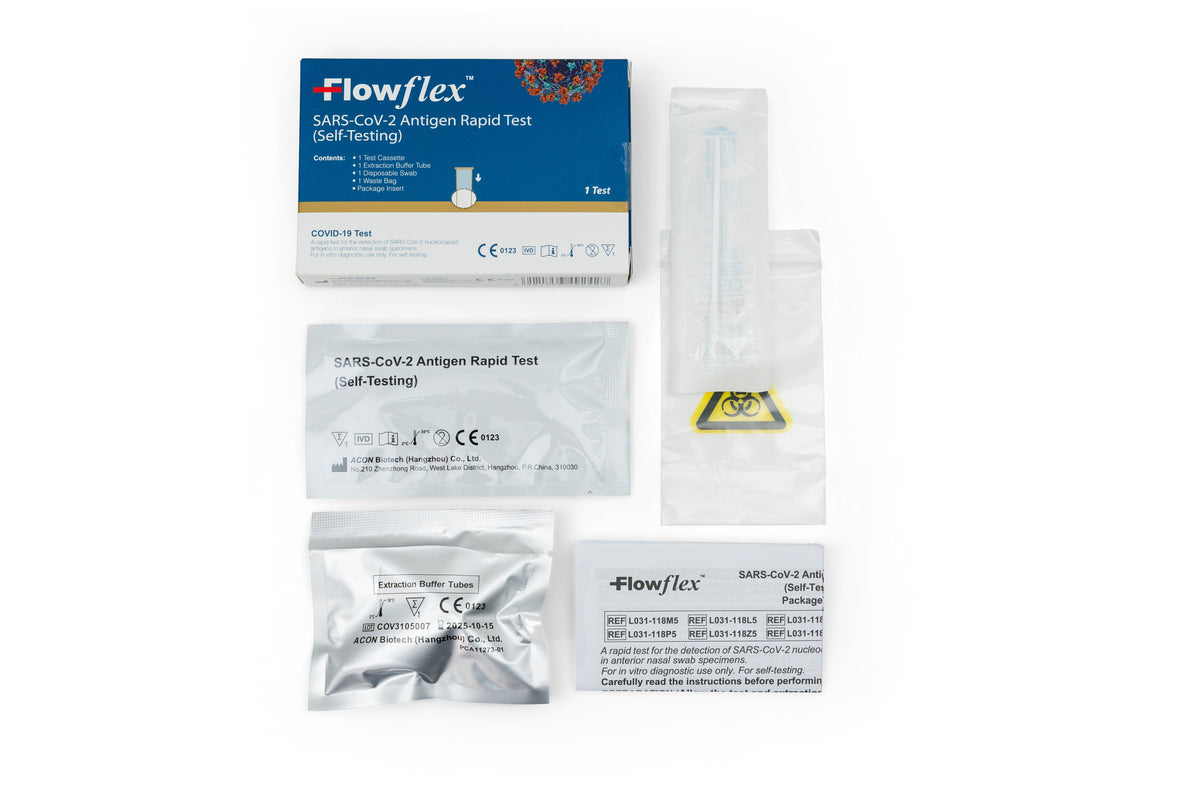
Lateral flow tests such as Flowflex and Healgen detect the virus's nucleocapsid (N) protein rather than its spike protein. Most of the mutations that define new variants are found in the spike protein, and studies of earlier Omicron variants found that rapid antigen tests continued to detect them. There's no published evaluation specific to TA.1 yet, so if you test negative but still have symptoms, test again 48 hours later.
When should you take a test?
- As soon as you have symptoms, especially before visiting someone at higher risk, such as an older relative or someone with a weakened immune system
- A few days after close contact with someone who has COVID-19
- Before winter gatherings where you'll be mixing with vulnerable people
Most people can no longer get free COVID-19 tests from the NHS, so many households keep a few lateral flow tests at home through the winter.
What to do if you test positive
There is no legal requirement to self-isolate in the UK, but current NHS advice is to:
- try to stay at home and avoid contact with other people for 5 days after the day of your test if you're 18 or over (3 days for under-18s)
- avoid meeting people at higher risk of serious illness for 10 days
- contact NHS 111 or your GP if you're worried about your symptoms or they get worse
Who can get the COVID-19 vaccine this winter?
The NHS autumn 2026 COVID-19 vaccine is free for people aged 75 and over, residents of care homes for older adults, and anyone aged 6 months or over with a weakened immune system, and is available until 31 January 2027. By the end of October, 47.7% of over-75s in England had received their autumn dose.
Stock up on lateral flow tests for winter
We stock Flowflex individually packaged tests and Healgen tests in packs of 5, with same day dispatch on orders placed before 2pm, Monday to Friday, and free tracked delivery on orders over £40.
Sources: UKHSA national flu and COVID-19 surveillance report, 5 November 2026; NHS guidance on COVID-19. This article is for general information and is not medical advice.
Read more

Human Metapneumovirus (HMPV) in the UK: Understanding the Virus and Testing Methods
Human Metapneumovirus (HMPV) is a relatively recently identified respiratory virus that has been increasingly recognized as a cause of respiratory infections, especially in vulnerable populations. ...
Read more